



Core functions and features
-
- Rapid flashing: Produces a series of intense, fast-paced bursts of light, which creates a “stop-motion” effect that energizes a dance floor.
- Adjustable speed: Allows users to control the flash rate, from a slow, rhythmic pulse to a chaotic, high-energy flicker. This is often managed via a dial or remote control.
- Sound activation: Many models include a built-in microphone that detects music and synchronizes the light flashes to the rhythm and beat. This can be easily toggled on and off.
- Color mixing: More advanced models feature RGB (Red, Green, Blue) and other LEDs, offering a full spectrum of colors for dynamic light shows. Individual LED segments can sometimes be controlled independently for custom patterns.
- Multiple modes: In addition to sound and flash settings, many strobes offer automatic, pre-programmed light shows.
- Cool operation: The low power consumption and minimal heat generation of LED technology mean the lights can run all night without overheating.
- Compact and lightweight: Even high-powered units are often portable and feature a mounting bracket for easy setup on walls, ceilings, or trusses.
Common variations
- Mini LED strobes: These are compact, affordable units with simple functions, often used for home parties or as small accents.
- Disco ball strobes: These models combine the classic disco ball effect with flashing LEDs, creating a colorful and rotating projection.
- Multi-effect lights: Higher-end fixtures incorporate strobe functionality with other effects like wash lighting, blinders, and lasers.
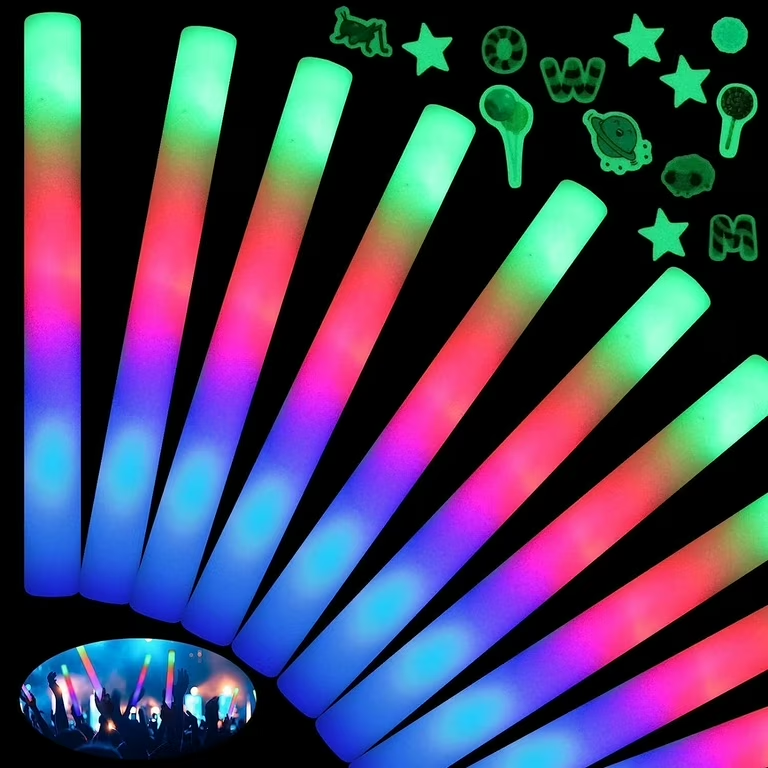
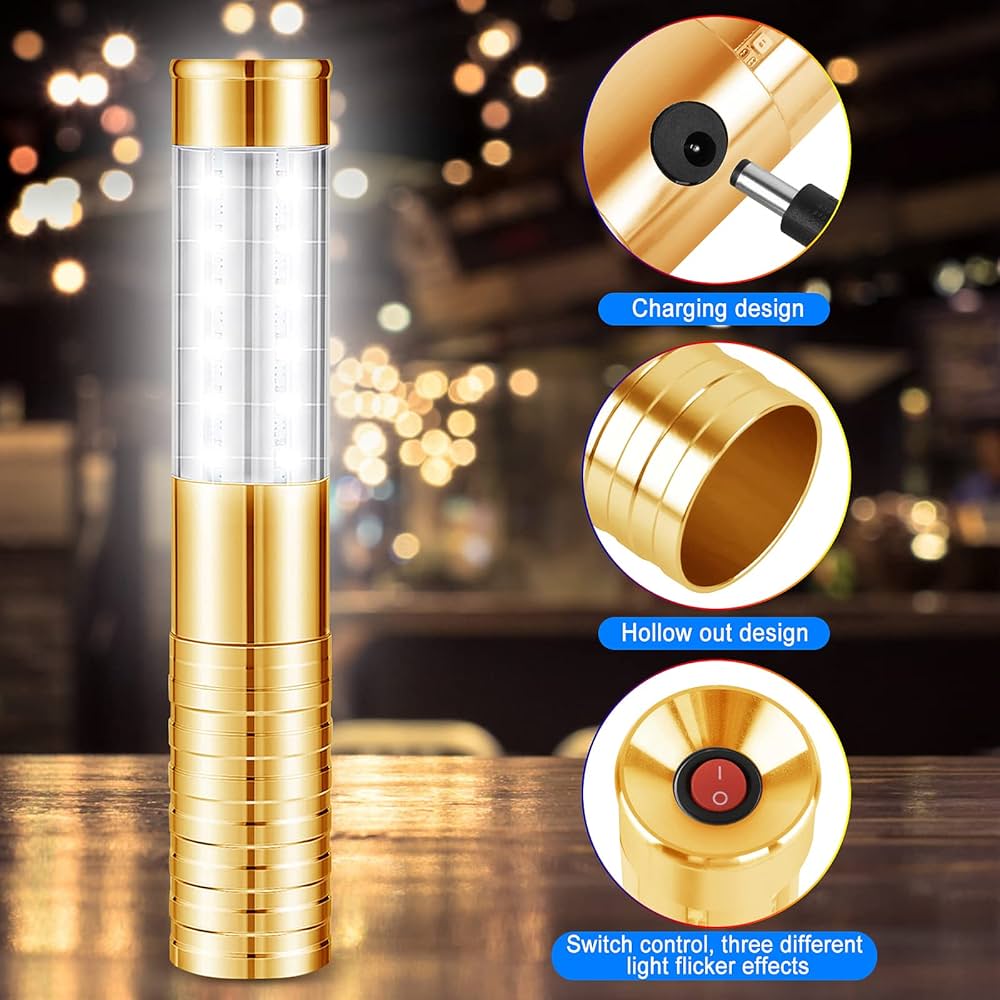
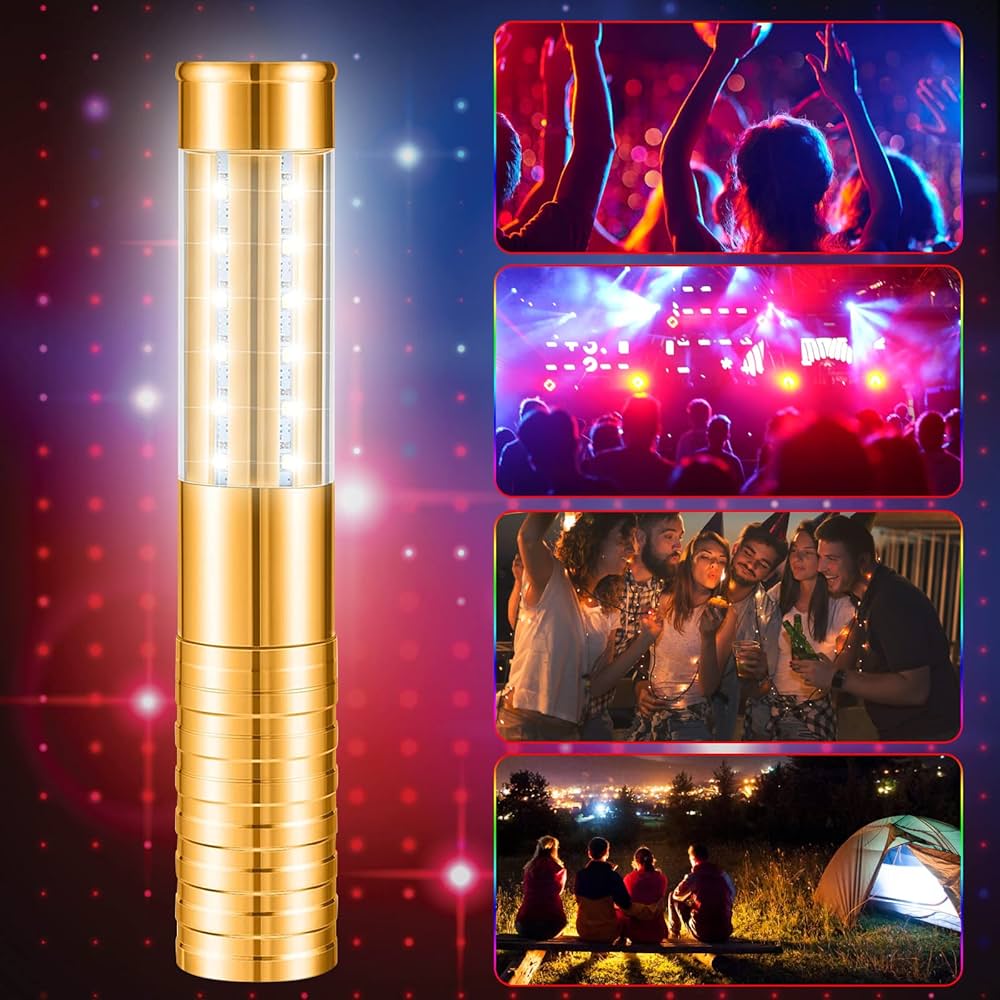
- Handheld LED batons: Rechargeable, portable lights used for bottle service at clubs or for adding a glowing accent to an event.
Reviews
Clear filtersThere are no reviews yet.